When James Comey prosecuted Martha Stewart in 2003 using what legal scholars called an "audacious legal theory," and when he made unprecedented public interventions in the Hillary Clinton email investigation in 2016, he claimed to be upholding institutional integrity. But a comprehensive examination of court records, Inspector General reports, and expert analysis reveals a troubling pattern: Comey's most aggressive and procedurally irregular actions have disproportionately targeted high-profile women, generating enormous reputational damage regardless of legal outcomes. From the novel securities fraud charge against Stewart—later dismissed by a judge—to the "extraordinary and insubordinate" press conferences and letters about Clinton that violated Justice Department norms, Comey's decisions in these cases drew sustained criticism from legal experts across the political spectrum. The Department of Justice Inspector General found that Comey's handling of the Clinton investigation included "inappropriate commentary about uncharged conduct" and represented departures from "well-established department policies" for which he offered no "persuasive basis." This investigation examines whether Comey's most controversial prosecutorial decisions reveal a pattern of disproportionate intensity, extraordinary publicity, and institutional norm violations that consistently affected prominent women—raising fundamental questions about equality before the law and the appropriate use of prosecutorial discretion.
Category: Gender
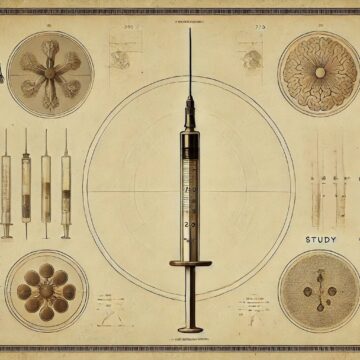
The Tuskegee Experiment Exploited Trust and Rewrote History
The *Tuskegee Syphilis Study* stands as one of the most egregious violations of medical ethics in U.S. history, where 600 African American men in rural Alabama were misled and denied treatment for syphilis over the course of 40 years. Promised free healthcare but instead subjected to deception and exploitation, these men were left untreated even after penicillin became the standard cure. The study’s legacy has left a profound impact on *trust in the medical system*, shaping discussions on *racial injustice*, *bioethics*, and healthcare disparities that continue to resonate today.
Shedding Light on the Past: North Carolina’s Eugenics Program and the Fight for Justice
"They cut me open like I was a hog." These harrowing words from Elaine Riddick, a survivor of North Carolina's eugenics program, lay bare the brutal reality faced by thousands of women who were forcibly sterilized under the guise of public health. Stripped of their reproductive rights without consent or understanding, these women became victims of a state-driven agenda aimed at controlling who was deemed "fit" to bear children. This article uncovers the hidden truths of North Carolina's dark past, revealing a legacy of systemic abuse and injustice that reverberates into the present, demanding acknowledgment and action from a new generation.
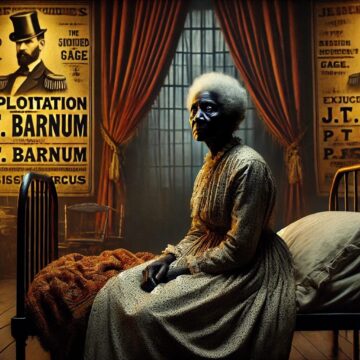
The Forgotten Legacy of Joice Heth: How a Slave Fueled Barnum’s Fame
P.T. Barnum’s rise to fame is an emblematic reflection of the deeply entrenched inequalities of 19th-century America. Barnum, known as the “Great American Showman,” capitalized on the public’s thirst for spectacle and curiosity, transforming the entertainment landscape with his audacious displays of oddities and curiosities. He is often remembered for founding what became “The Greatest...

The 1943 Lanham Act Childcare Program Exposed Congressional Neglect—Its Demise Still Haunts America
Amidst the tumult of World War II, the United States briefly achieved something that remains elusive today: truly universal childcare. Under the Lanham Act of 1943, the federal government funded “war nurseries,” enrolling an estimated 550,000 children so their mothers could bolster the wartime workforce. Though wildly successful, these centers vanished soon after the conflict ended—victims of shifting politics and deep-rooted biases. This forgotten chapter of American history reveals how effectively the nation can rally behind working parents, and how readily it can abandon them once the crisis subsides.