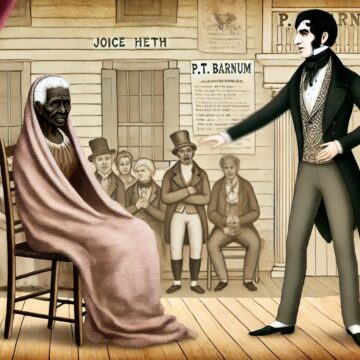
Setting the Stage for Spectacle The cobblestone streets of New York City, 1835, echoed with the clatter of horse-drawn carriages and the constant hum of merchants, hawkers, and onlookers. On every corner, something extraordinary vied for attention: from traveling entertainers juggling fire, to street preachers proclaiming salvation, to peddlers offering miracle cures. Yet amidst this...
Category: History
Bridges Through Time: Spain’s Turbulent Past and the Echoes of Today
As we delve into the chapters of Spain’s history, you’ll discover a land that has witnessed the extremes of societal discord, mass migrations akin to the global movements we see today, the iron fist of a dictator reminiscent of some of today’s authoritarian leaders, and the indomitable spirit of resistance that resonates with modern-day quests for justice and democracy.
Ghosts of the Past: Halloween’s Shadows and Celebrations
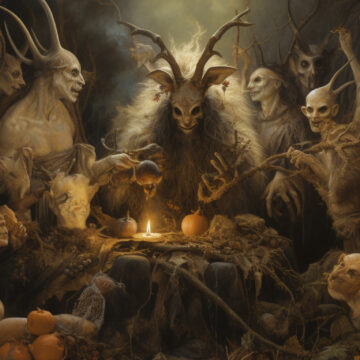
Halloween, celebrated every October 31st, has become one of the most anticipated and beloved holidays in many parts of the world. While its roots trace back to ancient pagan rituals, today's Halloween is largely a secular celebration. Beyond the fun and frolic, it serves as a testament to humanity's fascination with the mysterious and the macabre. At its core, Halloween remains a time for community gatherings, imaginative self-expression, and a playful acknowledgment of our ancient fears and superstitions.
Methadone at IG Farben—Gustav Ehrhart & Max Bockmühl
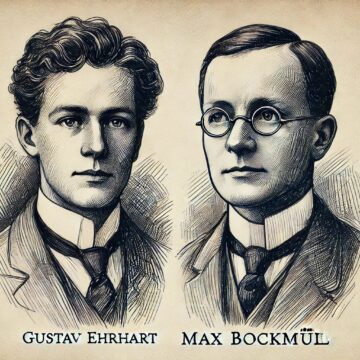
During the late 1930s, Gustav Ehrhart and Max Bockmühl, both research chemists working at IG Farben’s Hoechst laboratories, successfully synthesized a novel compound later known as methadone. Although initially developed to mitigate Germany’s reliance on imported opiates, methadone’s significance would transcend its wartime origins, ultimately emerging as a crucial medication in modern pain management and opioid dependence treatment. Despite the obscurity of their personal histories, Ehrhart and Bockmühl’s pioneering achievement demonstrates how scientific discovery can evolve far beyond the political and historical circumstances of its inception, offering vital therapeutic benefits to countless patients worldwide.
The Reluctant Genius: How Pope Julius II Had to Chase Down Michelangelo to Finish the Sistine Chapel
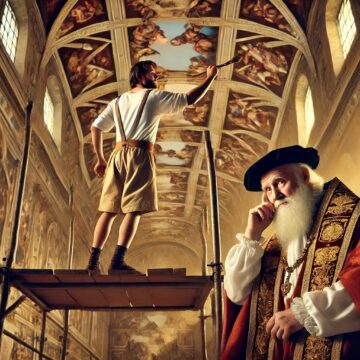
The Sistine Chapel ceiling is one of the greatest artistic achievements in history, a masterpiece that has inspired countless generations. Yet behind its beauty lies a dramatic story of artistic reluctance, papal persistence, and sheer determination. At the heart of this tale are two formidable figures: Michelangelo Buonarroti, the master sculptor turned reluctant painter, and Pope Julius II, the powerful and often impatient pontiff who refused to take "no" for an answer.