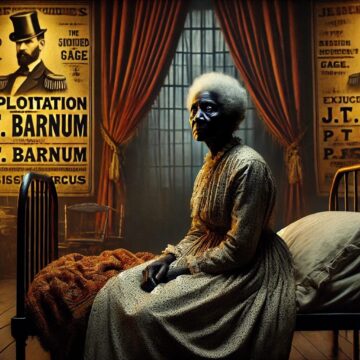
P.T. Barnum’s rise to fame is an emblematic reflection of the deeply entrenched inequalities of 19th-century America. Barnum, known as the “Great American Showman,” capitalized on the public’s thirst for spectacle and curiosity, transforming the entertainment landscape with his audacious displays of oddities and curiosities. He is often remembered for founding what became “The Greatest...
Category: History
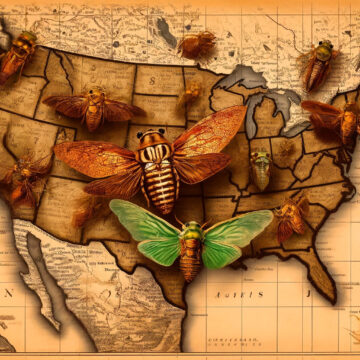
Brood X and Brood XIX Cicadas Emerge Together for the First Time in 221 Years
Imagine witnessing a natural event so rare that the last time it occurred, the United States had just doubled in size through the Louisiana Purchase. This year, for the first time since that historic acquisition, two distinct cicada broods are emerging together, creating a spectacle not seen in over two centuries. This simultaneous emergence of cicada broods is not just a fascinating phenomenon for entomologists but a remarkable reminder of the historical timeline we are part of.
The Photograph that Changed Nike
Jacobus "Co" Rentmeester’s 1984 photograph of a young Michael Jordan soaring through the air became both a masterpiece and a source of personal conflict. Originally commissioned by Life magazine, Rentmeester’s image—a fusion of athleticism and art—inspired Nike’s now-legendary Jumpman logo. As Nike’s empire rose on the back of this silhouette, Rentmeester quietly wrestled with the blurred lines between inspiration and appropriation. His eventual legal battle for recognition underscored a deeper story about creative integrity and the fragile balance between artistic vision and corporate power.
The 1943 Lanham Act Childcare Program Exposed Congressional Neglect—Its Demise Still Haunts America
Amidst the tumult of World War II, the United States briefly achieved something that remains elusive today: truly universal childcare. Under the Lanham Act of 1943, the federal government funded “war nurseries,” enrolling an estimated 550,000 children so their mothers could bolster the wartime workforce. Though wildly successful, these centers vanished soon after the conflict ended—victims of shifting politics and deep-rooted biases. This forgotten chapter of American history reveals how effectively the nation can rally behind working parents, and how readily it can abandon them once the crisis subsides.
Mary Vincent’s Journey from Trauma to Triumph
In September 1978, 15-year-old Mary Vincent survived a brutal assault that shocked America. Despite losing both arms in the attack, Vincent's courageous journey of recovery, advocacy, and healing embodies extraordinary resilience and a quiet, enduring strength that transformed personal tragedy into a powerful call for justice.