The Donner Party's fate was not inevitable. Multiple decisions and circumstances combined to produce catastrophe. The choice to take the Hastings Cutoff cost them critical time. The delays in the Wasatch Mountains and the Salt Lake Desert exhausted their resources. The early arrival of winter snow was unusually early for the season. Had any one of these factors been different, the party likely would have crossed the mountains successfully, and their names would be forgotten. The tragedy also illuminates the broader context of westward expansion. The Donner Party was merely one of tens of thousands of families who traveled the overland trails in the 1840s, drawn by the promise of land and opportunity. Most made the journey successfully, though many endured significant hardship. The Donner Party's fate represented the extreme tail of the distribution—a convergence of poor decisions, bad luck, and exceptional weather that produced disaster.
Tag: California history
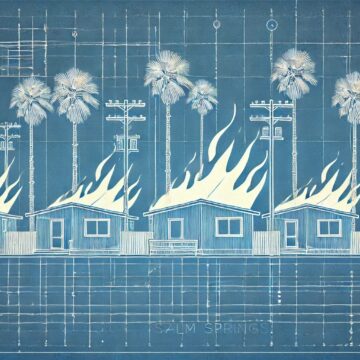
Palm Springs’ Blueprint for Urban Erasure
Section 14, located in the heart of Palm Springs, was a vital residential area for Black and Latino communities from the early 1900s to the mid-20th century. As Palm Springs grew into a tourist haven, Section 14 became one of the few places where non-white residents could live due to segregationist policies. This land, owned by the Agua Caliente Band of Cahuilla Indians, became a haven for working-class families who helped build the city's infrastructure. Despite its central location, Section 14 was excluded from the city's glamorous image, and its residents were subjected to substandard living conditions, ultimately leading to a brutal campaign of forced evictions and demolitions in the 1950s and 60s, erasing much of its community and history.